
Air Quality Assessments (AQA)
Detailed, quantitative analysis for sensitive locations with minimal traffic impacts.
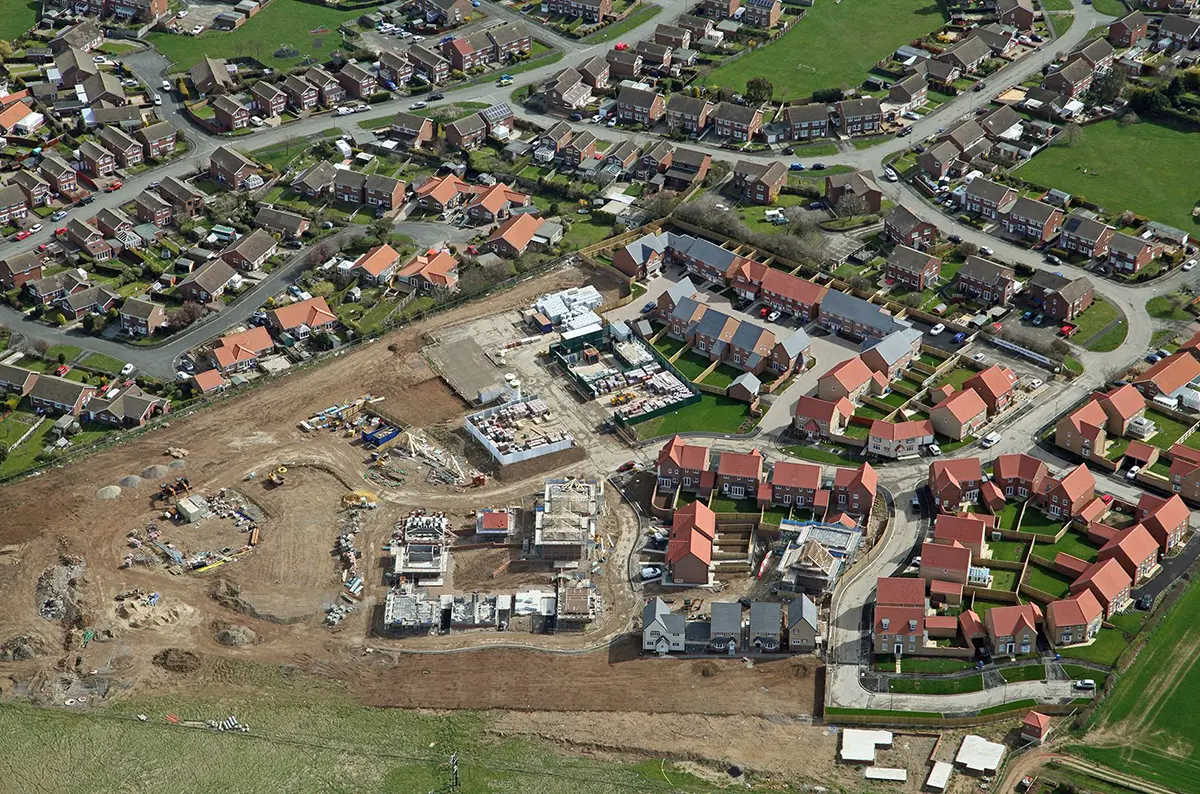
An air quality assessment will usually incorporate:
- Local traffic data, typically derived from the Department for Transport (DfT).
- Meteorological data
- Existing air quality monitoring data
- Background pollutant concentrations, such as the Defra background maps
- Verification of the model against monitored data
What is an Air Quality Assessment?
An air quality assessment is a detailed, quantitative study used to evaluate the air quality impacts across a proposed development. It is usually required for developments that are not expected to generate substantial traffic once operational but are located in areas where poor air quality is more likely, necessitating a more thorough analysis using dispersion modelling.
These assessments follow national guidance from the Institute of Air Quality Management (IAQM) and Environmental Protection UK, alongside any relevant local authority planning policies.
What does an Air Quality Assessment include?
Unlike a screening-level air quality statement, a full air quality assessment involves detailed dispersion modelling to predict pollutant concentrations across the proposed development. This is typically carried out using recognised models such as ADMS Roads.
What is the purpose of an Air Quality Assessment?
The purpose of an air quality assessment is to quantitatively predict current and future air quality concentrations across the proposed development and determine whether these concentrations comply with UK air quality objectives.
It provides a detailed, evidence-based evaluation of potential impacts and helps identify whether any mitigation measures are required to ensure the development remains acceptable from an air quality perspective. Such mitigation measures might include recommendations regarding the layout of the proposed development and/or the installation of mechanical ventilation.


